
Medical Information Packets
The downloadable packets below contain resources, tools, and support for health-care professionals to facilitate the care of patients who are Jehovah’s Witnesses.
From Our Conferences
Support for Jehovah’s Witnesses

Evidence-Based Medical Information
An overview of free resources available on this website. These resources include medical information packets for various medical and surgical specialties as well as how to request a free presentation by knowledgeable local representatives.
Clinical Strategies

Clinical Strategies to Avoid Blood Transfusion
An overview of safe and effective blood conservation strategies applicable to surgical patients. These strategies involve the use of multiple patient-specific modalities throughout the perioperative period.

Clinical Strategies for Avoiding Blood Transfusion in Obstetrics and Gynecology
An information summary of strategies for the care of obstetrical and gynecological patients without blood transfusion. This document can be used to facilitate planning for the prevention and management of postpartum hemorrhage. It contains links to hundreds of references.
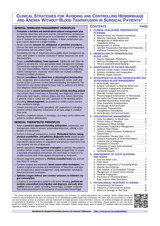
Clinical Strategies for Avoiding and Controlling Hemorrhage and Anemia Without Blood Transfusion in Surgical Patients
A compendium of blood conservation strategies that, in combination with current citations on this website, can be used to preempt allogeneic blood transfusion in surgical patients. This document contains links to more than 500 peer-reviewed references.

Clinical Strategies for Managing Acute Gastrointestinal Hemorrhage Without Blood Transfusion
A concise outline of clinical management strategies for managing acute upper and lower gastrointestinal bleeding without allogeneic blood transfusion. This document contains links to more than 500 authoritative references in peer-reviewed medical literature.

Clinical Strategies for Avoiding Blood Transfusion in Critically Ill Patients
This document combines evidence-based strategies and expert opinion on the management of critically ill patients without the use of allogeneic blood transfusion. It includes links to more than 500 references in peer-reviewed medical literature.